
11.02.2017

Womanism

Unification is a key cornerstone of Womanist ideology.
Womanism is a social theory based on the racial and gender-based oppression of black women, and other women of marginalized groups. There are varying interpretations of the term "womanist", and efforts to provide a concise and all encompassing definition have only been marginally successful. At its core, womanism hones in on the everyday issues and experiences of both black women and women of marginalized groups, but more importantly, womanism hopes to create an even-leveled environment for all people.[1]
Theory[edit]
Author and poet Alice Walker is credited with coining the term "womanist". From the original introduction of womanism as a social perspective, the term has evolved to envelop varied, and sometimes opposing definitions. Linda Hogan asserts that the term womanist has come to represent a feminist of color, specifically black women, since the Feminist Movement has been experienced by many as intrinsically racist.[2] While feminismcan be alienating to minorities, womanism allows black women to affirm and celebrate their color and culture in a way that feminism does not.[2] In the words of theorists such as Clenora Hudson-Weems and Alicia Boisnier, Black women struggle to identify with traditional feminism, because they do not identify with the issues that feminism typically advocates.[3] Alternatively, Delores Williams, a womanist theologian, associates womanism with the traditions and activism formed from the conditions, events, meanings and values within the African-American community. Williams further asserts that the task of the Womanist theologian is to embody activism by seeking out the voices of the unheard and the experiences of the neglected. She identifies the distinct difference between the experiences of the black woman and the white woman that makes it difficult to identify with feminism. One of the key components of feminism is to end a woman's subjugation to her male counterpart, yet there are other oppressive forces that black women face that takes precedence over the perceived subjugation of the black woman by the black man.[2] This represents an expectation and experience of the black woman as one filled with the quest for knowledge, competence, and authority that surpasses the individual, but encompasses the group.[4] This idea of community rather than individuality is further illustrated by the portrayal of a woman as the embodiment of her environment.[1] In this way womanism does not focus indiscriminately on the experiences of black woman, but desires the reconciliation of all people to their spirituality, their relationships with each other, and their relationship with nature. It characterizes women as willful and capable thereby contrasting the image of a women as subservient and inferior.[5] In doing so, womanism empowers women, and challenges them to break from the traditional definition of womanhood.
10.02.2017
Histoire des Robes , 1990

Annette Messager (French, born 1943) Title:
Histoire des Robes , 1990 Medium: dress and photographs Size: 99 x 156 cm. (39 x 61.4 in.)
06.02.2017
Willem de Rooij: Blue to Black (2013) and Black to Blue (2015)


In particular, two large-scale sublime textiles Blue to Black (2013) and Black to Blue (2015) trace the global legacy of the Dutch colonial project, looking at textile industries in Ghana and Indonesia where one of the two works was produced with the support of the IMA. More recent developments in de Rooij’s work with hand-woven fabrics can be seen in the series of seven stretched textiles shaped as tangrams (a Chinese dissection puzzle). In this body of work from 2015, hand-spun thread in two colours form the warp and weft to create rich monochromes. Also investigating the ambiguous relations between colour and "meaning" is the iconic work Orange, created by de Rijke/de Rooij in 2004 (his collaboration with Jeroen de Rijke, 1994–2006). This series of slides use a single colour to make reference to an expansive range of subjects. Bouquet XVI (2015), is a monumental dried floral arrangement, sourced locally, that reveals the artist’s multilayered and complex approach to materials and concepts, referencing climate, drought, and the still-life tradition so prominent in Dutch art history. In a surreal twist, Farafra (2013), extends the presence of the natural world through sound.
Since 2009, the artist has taken his inspiration from the structural polarity of woven fabric and thus initiated a reflection around contrast and nuance. These weavings aim to generate meaning through the material they are made of, not through external references. For this exhibition, Willem de Rooij presents four handwoven works and a large wax print on cotton.
Rather than a treated surface, like that of a painting, these woven works are created by use of different mixtures of synthetic polyester sewing thread. Conceived as one installation, the five works make use of the same two colors : black and blue.
The monochromatic appearance of the weavings on closer inspection reveals a gradual transition from one shade of colour to another. The colorimetric modulations facilitate constant shifts in the viewer’s perception of the works on show. Taken in their entirety, they embody sameness as well as difference, the individual and the collective.
The weavings presented at the Chantal Crousel Gallery are part of a larger series, for the creation of which Willem de Rooij restrained himself to a limited number of colors and sizes. The titles of the works, often anagrams derived from names of locations or persons connected to the work add to the myriad cross-references between the various works in this series.
Produced especially for this exhibition, the wax print Blue to Black reminds of former colonial trade-routes and the resulting migration patterns between Asia, Africa and Europe.
In the 19th century Dutch colonial trading companies industrialized the traditional Indonesian Batik fabric printing process. While buyers in Indonesia proved resistant to the mechanical produce, new markets opened in West Africa, where the printed fabrics remain popular also today. Blue to Black was produced by the Ghana Textile Printing Company (GTP) in Tema, Ghana. GTP is owned by a Dutch firm even today; in this line of industry, ancient colonial structures are still at work.
Over the last five years, the notion of "referentiality", or the development of strategies to bypass external references became important elements in de Rooij’s work. Throughout his career, the artist has analyzed the conventions of presentation and representation and assesses the tension between sociopolitical and autonomous image production.
About the artist
Willem de Rooij, born 1969 in Beverwijk, the Netherlands, now lives and works in Berlin, Germany. De Rooij studied art history at the University of Amsterdam and art at the Gerrit Rietveld Academie and the Rijksakademie in Amsterdam. He is currently Professor of Fine Art at the Städelschule, Frankfurt am Main and Guest Advisor at the Rijksakademie, Amsterdam. In 2014 he was nominated for the Vincent Award, Gemeentemuseum Den Haag, The Hague. Recent solo exhibitions include: Entitled (2016), MMK Museum für Moderne Kunst, Frankfurt, Germany; The Impassioned No (2015), Le Consortium, Dijon, France; Character Is Fate (2015) Witte de With, Rotterdam, the Netherlands; Index: Riots, Protest, Mourning and Commemoration (2014), Arnolfini, Bristol, UK; Using Walls, Floors and Ceilings(2014), the Jewish Museum, New York, USA; Farafra (2013), Bergen Kunsthall, Bergen, Norway; Untitled (2012) at Kunstverein München, Munich; Crazy Repelled Firelight (2011), Friedrich Petzel Gallery, New York, USA; and Intolerance (2010) at Neue Nationalgalerie, Berlin, Germany.
31.01.2017

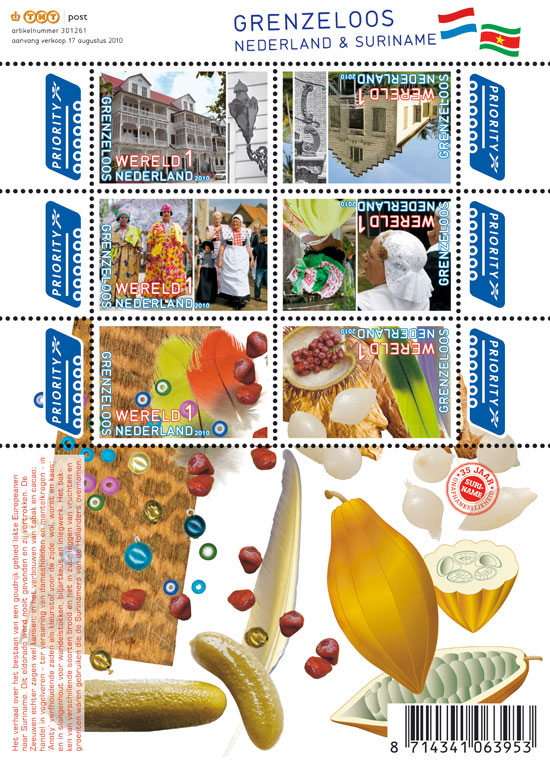

 Kotomisi en angisa uit Suriname

30.01.2017
Die vergessenen weißen Sklaven aus Irland
von Bürgender · 26. Dezember 2015
Im Jahr 1839 wurde Großbritanniens erste Menschenrechtsorganisation gegründet. Damit endete der dortige, Jahrhunderte dauernde Sklavenhandel. Wenig bekannt ist: Viel billiger als afrikanische Sklaven waren jene irischen Ursprungs.

„HMS Owen Glendower“ by Unknown, Royal Naval Museum. Lizenz: Public Domain via Wikimedia Commons.
Die Geschichte des afrikanischen Sklavenhandels ist sehr gut dokumentiert und wird insbesondere in den USA umfangreich an Schulen gelehrt. Weniger bis überhaupt nicht bekannt ist jedoch die Geschichte der irischen Sklaven, die laut verschiedenen Quellen keineswegs besser behandelt wurden als ihre afrikanischen Leidensgenossen. John Martin vom Center for Research and Globalization in Montreal schrieb in einem Beitrag, dass der irische Sklavenhandel begann, als Jakob II von England 30.000 irische Gefangene als Sklaven in die Neue Welt verkauft hatte. Gemäß seiner Proklamation von 1625 wurden irische politische Gefangene nach Übersee geschickt, um diese an englische Siedler in die Karibik zu verkaufen. Bereits zuvor im Jahr 1619 um die Osterzeit, rund vier Monate bevor die ersten afrikanischen Sklaven verschifft wurden, wurden rund 100 Kinder als „Vertragsknechte“ unfreiwillig in die nordamerikanische Kolonie transportiert.
Von nun an wurden Zehntausende Sträflinge, Bettler, Straßenkinder und andere unerwünschte Personen aus der englischen, schottischen und irischen Unterschicht auf Sklavenschiffen abtransportiert. Bis Mitte des 17. Jahrhunderts waren die meisten gehandelten Sklaven irischen Ursprungs. In den 1650er Jahren wurden über 100.000 irische Kinder im Alter von 10 bis 14 Jahren ihren Eltern entrissen und als Sklaven nach Westindien, Virginia und New England verkauft. Im selben Zeitraum wurden weitere 52.000 Iren, meist Frauen und Kinder, nach Barbados und Virginia verschifft und weitere 30.000 irische Männer und Frauen wurden auf Auktionen an Höchstbietende verkauft. Im Jahr 1656 befahl Oliver Cromwell, Lordprotektor von England, Schottland und Irland, dass 2.000 Kinder aus Irland nach Jamaika verschifft werden sollten, um diese an englische Siedler zu verkaufen. Bis ins 18. Jahrhundert seien die irischen Sklaven „nicht mehr als menschliches Vieh“ für die Engländer gewesen, schreibt Martin weiter. In dieser Zeit begann auch der afrikanische Sklavenhandel und es wurde überliefert, so Martin weiter, dass die afrikanischen zunächst wesentlich besser behandelt worden seien, als ihre irischen „Kollegen“. Zudem habe man Afrikaner für rund 50 Pfund gehandelt, für einen Iren hingegen meistens nicht mehr als 5 Pfund.
Laut einer Niederschrift wurden in einem Fall 132 irische Sklaven, Männer, Frauen und Kinder, über Bord geworfen und ertranken, weil die Vorräte unterwegs knapp geworden waren. Die übliche Todesrate auf den Schiffen belief sich auf 37% bis 50%. Richard Ligon erlebte diese Zustände aus erster Hand, zeichnete diese auf und beschrieb sie im Jahr 1657 als „niemals dagewesene Grausamkeit“. Sean O’Callahan beschrieb die Situation der irischen Sklaven als „Hölle“, in der „irische Männer und Frauen wie Vieh“ behandelt wurden.
Findige Engländer begannen damit, Frauen und Mädchen ab 12 Jahren von afrikanischen Männern begatten zu lassen, um die Kinder später als afrikanische Sklaven handeln zu können. Diese Praxis der „Zucht“ zwischen irischen Frauen mit afrikanischen Männern dauerte mehrere Jahrzehnte an und war später so weit verbreitet, dass im Jahr 1681 ein Gesetz erlassen wurde, welches „die Paarung von Iren und Afrikanern zur Erzeugung neuer Sklaven“ verbot. Allerdings wurde dieses Gesetz nicht aus moralischen Gründen erlassen, sondern weil die Royal African Company durch die Zucht Geld verloren hatte.
Zuvor, im Jahr 1676, hatte es einen riesigen Sklavenaufstand in Virginia gegeben. Schwarze und weiße Sklaven kämpften gemeinsam gegen ihre Unterdrückung, Hunderte starben. Die Sklavenhändler befürchteten einen erneuten Aufstand. Ihre Lösung war, die Sklaven untereinander aufzuteilen (teile und herrsche). Weiße Sklaven erhielten neue Rechte und wurden beispielsweise nicht mehr ohne Gerichtsbeschluss ausgepeitscht, auch erhielten sie andere Kleidung als die Farbigen und die Unterkünfte wurden getrennt. Die meisten Sklaven wurden nach Amerika und Australien verschifft. Es ist nicht bekannt, dass jemals ein irischer Sklave nach Irland zurückkehrte. Viele starben, entweder beim Transport, oder durch Misshandlung oder Überlastung. Andere kamen frei und lebten von nun an in amerikanischen Kolonien. In den Westindischen Inseln gab es einen Bevölkerungsanteil namens „Black Irish“, Nachkommen der schwarzen und irischen Sklaven.
Am 17. April 1839 wurde die erste Menschenrechtsorganisation „British and Foreign Anti-Slavery Society“ gegründet. Im Jahr 1839 beendete England somit endgültig das „alptraumhafte irische Elend“, schreibt Martin abschließend.
Im Jahr 1839 wurde Großbritanniens erste Menschenrechtsorganisation gegründet. Damit endete der dortige, Jahrhunderte dauernde Sklavenhandel. Wenig bekannt ist: Viel billiger als afrikanische Sklaven waren jene irischen Ursprungs.
„HMS Owen Glendower“ by Unknown, Royal Naval Museum. Lizenz: Public Domain via Wikimedia Commons.
Die Geschichte des afrikanischen Sklavenhandels ist sehr gut dokumentiert und wird insbesondere in den USA umfangreich an Schulen gelehrt. Weniger bis überhaupt nicht bekannt ist jedoch die Geschichte der irischen Sklaven, die laut verschiedenen Quellen keineswegs besser behandelt wurden als ihre afrikanischen Leidensgenossen. John Martin vom Center for Research and Globalization in Montreal schrieb in einem Beitrag, dass der irische Sklavenhandel begann, als Jakob II von England 30.000 irische Gefangene als Sklaven in die Neue Welt verkauft hatte. Gemäß seiner Proklamation von 1625 wurden irische politische Gefangene nach Übersee geschickt, um diese an englische Siedler in die Karibik zu verkaufen. Bereits zuvor im Jahr 1619 um die Osterzeit, rund vier Monate bevor die ersten afrikanischen Sklaven verschifft wurden, wurden rund 100 Kinder als „Vertragsknechte“ unfreiwillig in die nordamerikanische Kolonie transportiert.
Von nun an wurden Zehntausende Sträflinge, Bettler, Straßenkinder und andere unerwünschte Personen aus der englischen, schottischen und irischen Unterschicht auf Sklavenschiffen abtransportiert. Bis Mitte des 17. Jahrhunderts waren die meisten gehandelten Sklaven irischen Ursprungs. In den 1650er Jahren wurden über 100.000 irische Kinder im Alter von 10 bis 14 Jahren ihren Eltern entrissen und als Sklaven nach Westindien, Virginia und New England verkauft. Im selben Zeitraum wurden weitere 52.000 Iren, meist Frauen und Kinder, nach Barbados und Virginia verschifft und weitere 30.000 irische Männer und Frauen wurden auf Auktionen an Höchstbietende verkauft. Im Jahr 1656 befahl Oliver Cromwell, Lordprotektor von England, Schottland und Irland, dass 2.000 Kinder aus Irland nach Jamaika verschifft werden sollten, um diese an englische Siedler zu verkaufen. Bis ins 18. Jahrhundert seien die irischen Sklaven „nicht mehr als menschliches Vieh“ für die Engländer gewesen, schreibt Martin weiter. In dieser Zeit begann auch der afrikanische Sklavenhandel und es wurde überliefert, so Martin weiter, dass die afrikanischen zunächst wesentlich besser behandelt worden seien, als ihre irischen „Kollegen“. Zudem habe man Afrikaner für rund 50 Pfund gehandelt, für einen Iren hingegen meistens nicht mehr als 5 Pfund.
Laut einer Niederschrift wurden in einem Fall 132 irische Sklaven, Männer, Frauen und Kinder, über Bord geworfen und ertranken, weil die Vorräte unterwegs knapp geworden waren. Die übliche Todesrate auf den Schiffen belief sich auf 37% bis 50%. Richard Ligon erlebte diese Zustände aus erster Hand, zeichnete diese auf und beschrieb sie im Jahr 1657 als „niemals dagewesene Grausamkeit“. Sean O’Callahan beschrieb die Situation der irischen Sklaven als „Hölle“, in der „irische Männer und Frauen wie Vieh“ behandelt wurden.
Findige Engländer begannen damit, Frauen und Mädchen ab 12 Jahren von afrikanischen Männern begatten zu lassen, um die Kinder später als afrikanische Sklaven handeln zu können. Diese Praxis der „Zucht“ zwischen irischen Frauen mit afrikanischen Männern dauerte mehrere Jahrzehnte an und war später so weit verbreitet, dass im Jahr 1681 ein Gesetz erlassen wurde, welches „die Paarung von Iren und Afrikanern zur Erzeugung neuer Sklaven“ verbot. Allerdings wurde dieses Gesetz nicht aus moralischen Gründen erlassen, sondern weil die Royal African Company durch die Zucht Geld verloren hatte.
Zuvor, im Jahr 1676, hatte es einen riesigen Sklavenaufstand in Virginia gegeben. Schwarze und weiße Sklaven kämpften gemeinsam gegen ihre Unterdrückung, Hunderte starben. Die Sklavenhändler befürchteten einen erneuten Aufstand. Ihre Lösung war, die Sklaven untereinander aufzuteilen (teile und herrsche). Weiße Sklaven erhielten neue Rechte und wurden beispielsweise nicht mehr ohne Gerichtsbeschluss ausgepeitscht, auch erhielten sie andere Kleidung als die Farbigen und die Unterkünfte wurden getrennt. Die meisten Sklaven wurden nach Amerika und Australien verschifft. Es ist nicht bekannt, dass jemals ein irischer Sklave nach Irland zurückkehrte. Viele starben, entweder beim Transport, oder durch Misshandlung oder Überlastung. Andere kamen frei und lebten von nun an in amerikanischen Kolonien. In den Westindischen Inseln gab es einen Bevölkerungsanteil namens „Black Irish“, Nachkommen der schwarzen und irischen Sklaven.
Am 17. April 1839 wurde die erste Menschenrechtsorganisation „British and Foreign Anti-Slavery Society“ gegründet. Im Jahr 1839 beendete England somit endgültig das „alptraumhafte irische Elend“, schreibt Martin abschließend.
26.01.2017
Fiona Tan: Nellie (2013)


Es ist eben der Wandschrank, in dem Tan die Uraufführung ihres Videos installierte. Das Zimmer befindet sich im Museum Van Loon, das heute die bürgerliche Wohnkultur des Goldenen Zeitalters ausstellt. Das Museum war das Wohn- und Geschäftshaus der Familie Van Loon, die im 18. Jahrhundert als Finanziers von den Handelsbeziehungen zu Batavia profitierten. Dieses Haus, dessen erster Bewohner Ferdinand Bol ausgerechnet ein Schüler Rembrandts war, diente Tan als Drehort. Hier inszenierte sie Nellies ewiges „Dazwischenleben“, ihre Situation, aus der heraus sie nur aus dem Fenster starren, mit Briefen korrespondieren oder in Fieberträume versinken konnte. In einer Sequenz zitiert Tan Jan Vermeers berühmtes, 1657 entstandenes Gemälde Briefleserin am offenen Fenster. Vermeer malte es, als Nellie noch ein kleines Kind war. Bei Tan ist es weniger ein kunstgeschichtliches Zitat als sozialgeschichtliche Information. Nellies Gefängnis ist real: „In Batavia, dem heutigen Jakarta“, sagt Tan, „litt sie wahrscheinlich an Malaria. Sie konnte bestimmt nicht alleine aus dem Haus, um auf den Markt zu gehen und ihre Nachbarschaft zu sehen.“

15.01.2017
LIDWIEN VAN DE VENFRAGMENTS [of a desire for revolution]

Lidwien van de Ven, Tanah Merah (Papua), 2016
LIDWIEN VAN DE VENFRAGMENTS [of a desire for revolution]
28/01/2017 - 09/04/2017
about the relationship between the Netherlands and Indonesia
Curators: Christiane Berndes
From 28 January 2017 the Project Room in the exhibition The Collection Nowwill be dedicated to FRAGMENTS [of a desire for revolution], a new work by Lidwien van de Ven, commissioned by the Van Abbemuseum. In 2014 the Van Abbemuseum invited Van de Ven to carry out research into the colonial history of the Netherlands in Indonesia. The result is FRAGMENTS, an ambitious installation comprising Van de Ven’s large format photographic works, alongside video and documentary material.
FRAGMENTS
During an exploratory visit in 2015 Van de Ven attended the 60th commemoration of the Konferensi Asia Afrika in Bandung, a meeting that in 1955 brought together 29 African-Asiatic countries to seek economic and cultural collaboration and to fight against colonial domination. One of the highlights in 1955 was President Sukarno’s opening speech. He raised questions, still relevant today, about identity and how we want to live together in a globalizing world. In 2015 the International People’s Tribunal took place in The Hague to examine the military coup in 1965 and the following mass murder of an estimated 500,000 to 1,000,000 communists, ethnic Chinese citizens and supporters of left-wing parties. This history remains sensitive and contested today.
Van de Ven explored the Dutch role in the history of communism in Indonesia and came across the inspirational role played by the Dutchman Henk Sneevliet who in 1914, founded the Indische Sociaal-Democratische Vereeniging, which later became the communist party in Indonesia, PKI. It was opposed by the Dutch colonial powers, which suppressed the development of communism and its aim for independence. When the communist uprisings of 1926/1927 against the colonial oppressors failed, the Netherlands responded by expelling the rebels to Boven Digoel (Upper Digul), a remote area, 500 kilometre up the Digul-river in Papua New-Guinea, where the Dutch founded the internment camps, Tanah Merah and Tanah Tinggi. Van de Ven’s presentation builds around this location.
In present-day Tanah Merah she looked for traces of the former internment camp, whose history for many has been virtually forgotten. She mapped its history with the help of different sources, like the publications by I.F.M. Salim, an exile who was interned in the camp from 1928 to 1943, and by L.J.A. Schoonheyt, who worked in the camp as a doctor from 1932 to 1934. Further archival research in the Netherlands and Jakarta provided additional perspectives. The first exiles were expelled using the so-called Exorbitant Rights of the Governor General to circumvent the judiciary, which also implied that appeal was not possible. Papua was infamous for the many diseases as malaria and black water fever, which were rampant, and for the presence of cannibals. Surviving there was a struggle. Although stories about the terrible living conditions in the camp reached the Netherlands in the late 1920s, the camp was not abolished. Only in 1943 were exiles evacuated to Australia, following the threat of the Japanese occupation and the fear of the Dutch authorities that the exiles might collude with the Japanese. A few of the remaining buildings were in the 90s designated as a historical monument to commemorate the struggle for independence.
LIDWIEN VAN DE VEN
Lidwien van de Ven is known above all as a photographer. She is interested in parts of the world where important social and political changes are taking place. These are also places in which often the complex reality is shunned and reduced to stereotypes. Van de Ven is curious to look into this process. She digs around for the meaning of traces of the past and the present, rather like an archaeologist. She looks for the almost invisible and intangible moment at which contemporary reality unfolds and tears appear in the fabric, which allow for new interpretations and perspectives. She translates this process into photographic works and installations with an extremely detailed composition. Lidwien van de Ven lives and works in Rotterdam and Berlin.
The Koninklijk Instituut voor Taal-, Land- en Volkenkunde / Royal Netherlands Institute of Southeast Asian and Caribbean Studies (KITLV)

The Koninklijk Instituut voor Taal-, Land- en Volkenkunde / Royal Netherlands Institute of Southeast Asian and Caribbean Studies (KITLV) aims to be a world-class research institute for the study of Southeast Asia and the Caribbean, with a focus on Indonesia and the ‘Dutch’ Caribbean, in an interdisciplinary and comparative perspective. Benefitting from the unrivalled collections offered on campus by Leiden University, KITLV researchers explore (dis)continuities between the (pre)colonial and postcolonial period, and articulate their research agendas empirically and theoretically in order to advance wider debates on the meandering paths of globalization. KITLV engages with the academic community across the world, as well as with (inter)national governmental organizations, NGOs, the media, and the interested general public. KITLV is an institute of the Royal Netherlands Academy of Arts and Sciences (KNAW).
Research at KITLV is interdisciplinary by nature and characterized by approaches including (1) a strong historical dimension exploring (dis)continuities from the (pre)colonial to the postcolonial period and (2) an anthropological perspective; both of which aim to bring human agency into focus and investigate questions concerning motivation and signification; while (3) a political approach focuses on broader frameworks of power that mediate between global forces and local actors. History, anthropology, and the study of politics and language all offer comparative approaches for opening windows to wider global connections. Archival research, field work and textual and visual analysis are vital to this enterprise. KITLV research is characterized by an ongoing reflection on the historical linkages between (post)colonial scholarship and collections policies. This implies methodological reflection on the uses of colonial archives, and on the meaning and impact of e-technologies in academic research and data management.
KITLV invests in two long-term research themes: State, Violence and Citizenship and Mobility and Identity. These themes, relevant to the processes of post-colonial state formation and globalisation in South East Asia and the Caribbean at large, are connected by interrelated questions concerning the dynamics of power, meaning and belonging. KITLV aims to translate these themes into agenda-setting projects conducted by research teams consisting of senior scholars, postdoctoral researchers, PhD candidates and visiting fellows.
Arnoldus Hyacinthus Aloysius Hubertus Maria Borret


Maastrichtdied6 februari 1888
Paramaribo, Surinamegender
male
categories
Beeldende kunsten & vormgeving
Koloniale en overzeese betrekkingen en handel
The Dutch National Exhibition of Women’s Labor, 1898

In 1898, the year Queen Wilhelmina of the Netherlands was inaugurated, five hundred women organized an enormous public exhibition showcasing women’s contributions to Dutch society as workers in a strikingly broad array of professions. The National Exhibition of Women’s Labor, held in The Hague, was attended by more than ninety thousand visitors. Maria Grever and Berteke Waaldijk consider the exhibition in the international contexts of women’s history, visual culture, and imperialism.
A comprehensive social history, Transforming the Public Sphere describes the planning and construction of the Exhibition of Women’s Labor and the event itself—the sights, the sounds, and the smells—as well as the role of exhibitions in late-nineteenth-century public culture. The authors discuss how the 1898 exhibition displayed the range and variety of women’s economic, intellectual, and artistic roles in Dutch culture, including their participation in such traditionally male professions as engineering, diamond-cutting, and printing and publishing. They examine how people and goods from the Dutch colonies were represented, most notably in an extensive open-air replica of a “Javanese village.” Grever and Waaldijk reveal the tensions the exhibition highlighted: between women of different economic classes; between the goal of equal rights for women and the display of imperial subjects and spoils; and between socialists and feminists, who competed fiercely with one another for working women’s support. Transforming the Public Sphere explores an event that served as the dress rehearsal for advances in women’s public participation during the twentieth century.
08.01.2017
African women and the significance of a head-wrap (Dhuku)
By Elliot Siamonga - March 12, 2015

THE Africa woman head-wrap (dhuku) holds a distinctive position in the history of African dress both for its longevity and for its potent significations.
It endured the travail of colonialism and never passed out of fashion.
The dhuku represents far more than a piece of fabric wound around the head.
This distinct cloth head covering has been called variously ‘head rag’, ‘head-tie’, ‘head handkerchief’, ‘turban’, or ‘head-wrap’. The head-wrap usually completely covers the hair, being held in place by tying the ends into knots close to the skull. As a form of apparel in Zimbabwe, the head-wrap has been exclusive to women of African descent. The head-wrap originated in sub-Saharan Africa, and serves similar functions for both African and African-American women. In style, the African-American woman’s head-wrap exhibits the features of sub-Saharan aesthetics and worldview. In the United States, however, the head-wrap acquired a paradox of meaning not customary on the ancestral continent. During slavery, white overlords imposed its wear as a badge of enslavement! Later it evolved into the stereotype that whites held of the ‘Black Nammy’ servant.
The enslaved and their descendants, however, have regarded the head-wrap as a helmet of courage that evoked an image of true homeland – be that of ancient Africa or the ‘newer homeland’of America. The simple head rag worn by millions of enslaved women and their descendants has served as a uniform of communal identity; but at its most elaborate, the African American woman’s head-wrap has functioned as a ‘uniform of rebellion’ signifying absolute resistance to loss of self-definition. Tying a piece of cloth around the head is not specific to any one cultural group.
Men and women have worn and continue to wear some type of fabric head covering in many societies. What does appear to be culturally specific, however, is the way the fabric is worn.
In other words, the style in which the fabric is worn is the ultimate cultural marker.
To wrap her head, a European or white-American woman simply folds a square piece of fabric into a triangular shape and covers her hair by tying the fabric under her chin; or, less often, by tying it at the nape of the neck. In either case, the untied points of fabric are left to fall down over the back of the head. The Euro-American style results in a head covering which flattens against the head and encloses the face, and thus visually seems to pull the head down. The terms ‘scarf’ or ‘kerchief’ usually denote this type of head covering. Scarves are not particularly popular items of white-American women’s fashion today, but when they are worn, they consistently are arranged in the manner I just described above. By contrast, a woman of African ancestry folds the fabric into a rectilinear shape rather than into a triangle. The most significant difference between the Euro-American and Afro-centric manner of styling the cloth is that rather than tying the knot under her chin, the African American woman usually ties the knots somewhere on the crown of her head, either at the top or on the sides, often tucking the ends into the wrap.
Although the African-American woman sometimes ties the fabric at the nape of the neck, her form of styling always leaves her forehead and neck exposed; and, by leaving her face open, the head-wrap visually enhances the facial features.
The African head-wrap thus works as a regal coronet, drawing the onlooker’s gaze up, rather than down.

THE Africa woman head-wrap (dhuku) holds a distinctive position in the history of African dress both for its longevity and for its potent significations.
It endured the travail of colonialism and never passed out of fashion.
The dhuku represents far more than a piece of fabric wound around the head.
This distinct cloth head covering has been called variously ‘head rag’, ‘head-tie’, ‘head handkerchief’, ‘turban’, or ‘head-wrap’. The head-wrap usually completely covers the hair, being held in place by tying the ends into knots close to the skull. As a form of apparel in Zimbabwe, the head-wrap has been exclusive to women of African descent. The head-wrap originated in sub-Saharan Africa, and serves similar functions for both African and African-American women. In style, the African-American woman’s head-wrap exhibits the features of sub-Saharan aesthetics and worldview. In the United States, however, the head-wrap acquired a paradox of meaning not customary on the ancestral continent. During slavery, white overlords imposed its wear as a badge of enslavement! Later it evolved into the stereotype that whites held of the ‘Black Nammy’ servant.
The enslaved and their descendants, however, have regarded the head-wrap as a helmet of courage that evoked an image of true homeland – be that of ancient Africa or the ‘newer homeland’of America. The simple head rag worn by millions of enslaved women and their descendants has served as a uniform of communal identity; but at its most elaborate, the African American woman’s head-wrap has functioned as a ‘uniform of rebellion’ signifying absolute resistance to loss of self-definition. Tying a piece of cloth around the head is not specific to any one cultural group.
Men and women have worn and continue to wear some type of fabric head covering in many societies. What does appear to be culturally specific, however, is the way the fabric is worn.
In other words, the style in which the fabric is worn is the ultimate cultural marker.
To wrap her head, a European or white-American woman simply folds a square piece of fabric into a triangular shape and covers her hair by tying the fabric under her chin; or, less often, by tying it at the nape of the neck. In either case, the untied points of fabric are left to fall down over the back of the head. The Euro-American style results in a head covering which flattens against the head and encloses the face, and thus visually seems to pull the head down. The terms ‘scarf’ or ‘kerchief’ usually denote this type of head covering. Scarves are not particularly popular items of white-American women’s fashion today, but when they are worn, they consistently are arranged in the manner I just described above. By contrast, a woman of African ancestry folds the fabric into a rectilinear shape rather than into a triangle. The most significant difference between the Euro-American and Afro-centric manner of styling the cloth is that rather than tying the knot under her chin, the African American woman usually ties the knots somewhere on the crown of her head, either at the top or on the sides, often tucking the ends into the wrap.
Although the African-American woman sometimes ties the fabric at the nape of the neck, her form of styling always leaves her forehead and neck exposed; and, by leaving her face open, the head-wrap visually enhances the facial features.
The African head-wrap thus works as a regal coronet, drawing the onlooker’s gaze up, rather than down.
07.01.2017
Angisa: hoofddoeken uit Suriname
ANGISA: HOOFDDOEKEN AAN HET WOORD
“ Op een dag – ik woonde nog niet zo lang in Nederland – sprak een Surinaamse vrouw mij aan: “Ik kèn u ergens van, zei ze. U lijkt sprekend op mijn vroegere buurvrouw in Paramaribo…mevrouw Dankoor”. “Ik ben mevrouw Isselt”, antwoordde ik maar mijn meisjesnaam is Dankoor”. “Weet u nog” zei de vrouw, “alle dames uit de buurt kwamen bij jullie over de vloer om een mooie angisa te laten maken”.

Surinaamse vrouw met hoofddoek
Aan het woord is Mildred Isselt Dankoor. Wij ontmoetten haar vorige zomer in Turnhout waar haar collectie hoofddoeken onderdeel was van de tentoonstelling Het Geweven Woord. Wat zij toen vertelde over hoofddoeken, maakte ons zo nieuwsgierig dat wij haar gingen opzoeken in Haarlem. Mildred is een rasvertelster. Niet om een kwinkslag verlegen maar tegelijk zeer precies en zeer geloofwaardig. Alleen over haar leeftijd heb ik mijn twijfels. Wil zij – met haar rimpelloos voorhoofd en de gratie van een vrouw van vijftig – ons wijsmaken dat zij bijna 70 is!
Twee domme Surinaamse kinderen
Iemand uit het biotoop van je kinderjaren tegenkomen is fijn. Maar in dit geval was de ontmoeting een ommekeer. Plots realiseerde Mildred zich dat zij van hoofddoeken binden (op het binden van een Oto Baka na), niks afwist, en dàt terwijl er in heel Suriname niemand het haar beter had kunnen aanleren dan destijds haar eigen moeder.”Als je jong bent, heb je daarvoor geen belangstelling. Evenmin als het gros van Surinamers in Suriname trouwens. Maar naarmate je verder van je moederland leeft en wat wijzer wordt met de jaren, ga je de schat aan tradities meer en meer naar waarde schatten”. Mildred besloot de traditie die van mond tot mond overgeleverd wordt en van hand op hand aangeleerd, voor teloorgang te behoeden. Ze belde haar zus in Suriname:”Wij hebben ons niks van moeders kunst eigen gemaakt. Zijn wij niet de domste Surinaamse kinderen?” Beide zussen gingen lesnemen. Bij leraars én bij oudere Surinaamse vrouwen die ‘de knepen van het plooien’ nog beheersten. Vandaag geven Mildred in Nederland en haar zus in Suriname cursus angisabinden.

“ Op een dag – ik woonde nog niet zo lang in Nederland – sprak een Surinaamse vrouw mij aan: “Ik kèn u ergens van, zei ze. U lijkt sprekend op mijn vroegere buurvrouw in Paramaribo…mevrouw Dankoor”. “Ik ben mevrouw Isselt”, antwoordde ik maar mijn meisjesnaam is Dankoor”. “Weet u nog” zei de vrouw, “alle dames uit de buurt kwamen bij jullie over de vloer om een mooie angisa te laten maken”.

Surinaamse vrouw met hoofddoek
Aan het woord is Mildred Isselt Dankoor. Wij ontmoetten haar vorige zomer in Turnhout waar haar collectie hoofddoeken onderdeel was van de tentoonstelling Het Geweven Woord. Wat zij toen vertelde over hoofddoeken, maakte ons zo nieuwsgierig dat wij haar gingen opzoeken in Haarlem. Mildred is een rasvertelster. Niet om een kwinkslag verlegen maar tegelijk zeer precies en zeer geloofwaardig. Alleen over haar leeftijd heb ik mijn twijfels. Wil zij – met haar rimpelloos voorhoofd en de gratie van een vrouw van vijftig – ons wijsmaken dat zij bijna 70 is!
Twee domme Surinaamse kinderen
Iemand uit het biotoop van je kinderjaren tegenkomen is fijn. Maar in dit geval was de ontmoeting een ommekeer. Plots realiseerde Mildred zich dat zij van hoofddoeken binden (op het binden van een Oto Baka na), niks afwist, en dàt terwijl er in heel Suriname niemand het haar beter had kunnen aanleren dan destijds haar eigen moeder.”Als je jong bent, heb je daarvoor geen belangstelling. Evenmin als het gros van Surinamers in Suriname trouwens. Maar naarmate je verder van je moederland leeft en wat wijzer wordt met de jaren, ga je de schat aan tradities meer en meer naar waarde schatten”. Mildred besloot de traditie die van mond tot mond overgeleverd wordt en van hand op hand aangeleerd, voor teloorgang te behoeden. Ze belde haar zus in Suriname:”Wij hebben ons niks van moeders kunst eigen gemaakt. Zijn wij niet de domste Surinaamse kinderen?” Beide zussen gingen lesnemen. Bij leraars én bij oudere Surinaamse vrouwen die ‘de knepen van het plooien’ nog beheersten. Vandaag geven Mildred in Nederland en haar zus in Suriname cursus angisabinden.

04.01.2017
“Le Rêve de la Malinche”

Antonio “El Corcito” Ruiz, “Le Rêve de la Malinche” (1939, oil on masonite, Mexico, Galería de Arte Mexicano (courtesy Galería de Arte Mexicano, © photo INBA/Museo Nacional de Arte)
hyperallergic
02.01.2017
manumissie
(rechtsgeschiedenis) "term voor het volgens bepaalde rechtsregels vrijgeven van slaven in Suriname van de 19e eeuw. Afgeleid van "manumissio", een begrip in het Romeinse recht, letterlijk vertaald: ?zending uit de hand [van de meester]?."
http://www.slavernijenjij.nl/de-aankomst/manumissies/
Manumissies

anno 1838
Jan Houthakker, alias Flink
PARAMARIBO – Flink is geboren in Afrika. Die naam heeft hij gekregen bij zijn aankomst als slaaf in Suriname. Wat zijn echte naam is weten we niet, wanneer hij in Suriname is aangekomen ook niet. We weten wel dat hij in 1838 het ‘eigendom’ is van Nathaniel Vollenbeek, Gregoris Carel de L’Isle en Johannes Zwiep.
Op 13 december 1838 laten zij hem namelijk vrij: ze manumitteren hem. Bij zijn vrijlating krijgt Flink de naam Jan Houthakker. Op 7 april 1841 wordt hij onder die naam in het burgerregister ingeschreven. Die inschrijving is belangrijk, want vanaf dat moment kan hij een huis kopen, een vrij beroep uitoefenen en slaven ‘bezitten’.
Met twee van zijn voormalige eigenaren, Nathaniel Vollenbeek en Johannes Zwiep, is iets bijzonders aan de hand. Zij zijn zelf ook slaven geweest. In 1833 zijn ze allebei gemanumitteerd. De voormalige eigenares van Vollenbeek is zelf ook weer een gemanumitteerde vrouw, Mary van McNiel. Jan Houthakker volgt hun voorbeeld. Hij gaat zijn best doen om zoveel mogelijk slaven te helpen om vrij te worden.
Wat is het verschil tussen manumissie en emancipatie?

http://www.slavernijenjij.nl/de-aankomst/manumissies/
Manumissies
anno 1838
Jan Houthakker, alias Flink
PARAMARIBO – Flink is geboren in Afrika. Die naam heeft hij gekregen bij zijn aankomst als slaaf in Suriname. Wat zijn echte naam is weten we niet, wanneer hij in Suriname is aangekomen ook niet. We weten wel dat hij in 1838 het ‘eigendom’ is van Nathaniel Vollenbeek, Gregoris Carel de L’Isle en Johannes Zwiep.
Op 13 december 1838 laten zij hem namelijk vrij: ze manumitteren hem. Bij zijn vrijlating krijgt Flink de naam Jan Houthakker. Op 7 april 1841 wordt hij onder die naam in het burgerregister ingeschreven. Die inschrijving is belangrijk, want vanaf dat moment kan hij een huis kopen, een vrij beroep uitoefenen en slaven ‘bezitten’.
Met twee van zijn voormalige eigenaren, Nathaniel Vollenbeek en Johannes Zwiep, is iets bijzonders aan de hand. Zij zijn zelf ook slaven geweest. In 1833 zijn ze allebei gemanumitteerd. De voormalige eigenares van Vollenbeek is zelf ook weer een gemanumitteerde vrouw, Mary van McNiel. Jan Houthakker volgt hun voorbeeld. Hij gaat zijn best doen om zoveel mogelijk slaven te helpen om vrij te worden.
Wat is het verschil tussen manumissie en emancipatie?
28.12.2016


23.12.2016
Our Tradition: Black Woman's Manifesto
05 Black Woman’s Manifesto by the Third World Women’s Alliance (1970)

Introduction by Gayle Lynch
Racism and capitalism have trampled the potential of black people in this country and thwarted their self-determination. Initially the physical characteristics of those of African descent were used to fit blacks into the lowest niche in the capitalist hierarchy - that of maintenance. Therefore, black women and men of today do not encourage division by extending physical characteristics to serve as a criterion for a social hierarchy. If the potential of the black woman is seen mainly as a supportive role for the black man, then the black woman becomes an object to be utilized by another human being. Her potential stagnates and she cannot begin to think in terms of self-determination for herself and all black people. It is not right that her existence should be validated only by the existence of the black man.
The black woman is demanding a new set of female definitions and a recognition of herself of a citizen, companion and confidant, not a matriarchal villain or a step stool baby-maker. Role integration advocates the complementary recognition of man and woman, not the competitive recognition of same.[113]
Role integration encourages a broader mental and emotional growth in black women and men as they share the responsibility of working towards liberation. Neither of them should be relegated to a narrow experience in life. Neither of them should have their potentiality for self-determination controlled and predetermined by the opposite sex. That is a type of slavery that will not deliver us as a people. That is a form of bondage which is an integral part of the racist and capitalist system which black women and black men must work to oppose and overthrow.
Introduction by Gayle Lynch
Racism and capitalism have trampled the potential of black people in this country and thwarted their self-determination. Initially the physical characteristics of those of African descent were used to fit blacks into the lowest niche in the capitalist hierarchy - that of maintenance. Therefore, black women and men of today do not encourage division by extending physical characteristics to serve as a criterion for a social hierarchy. If the potential of the black woman is seen mainly as a supportive role for the black man, then the black woman becomes an object to be utilized by another human being. Her potential stagnates and she cannot begin to think in terms of self-determination for herself and all black people. It is not right that her existence should be validated only by the existence of the black man.
The black woman is demanding a new set of female definitions and a recognition of herself of a citizen, companion and confidant, not a matriarchal villain or a step stool baby-maker. Role integration advocates the complementary recognition of man and woman, not the competitive recognition of same.[113]
Role integration encourages a broader mental and emotional growth in black women and men as they share the responsibility of working towards liberation. Neither of them should be relegated to a narrow experience in life. Neither of them should have their potentiality for self-determination controlled and predetermined by the opposite sex. That is a type of slavery that will not deliver us as a people. That is a form of bondage which is an integral part of the racist and capitalist system which black women and black men must work to oppose and overthrow.


Abonnieren
Posts (Atom)