05.07.2015

Migration und Freiheit
Flusser hat aus dieser Lebensparabel, die von vielfachen Brüchen geprägt war, im Laufe der 80er Jahre eine eigene Philosophie der Migration entwickelt. Grundlage dieser Philosophie der Migration ist das Umschlagen des Exils in Freiheit, in eine doppelte Freiheit: die Freiheit von der Verstrickung in die eigene Kultur und die Freiheit, neue Wahlverwandtschaften zu knüpfen. In Flussers Philosophie der Migration steht der zwanghaften, meist unbewussten Verwurzelung die befreiende selbstbewusste Vernetzung gegenüber. Diese Vorstellung kommt im Begriff der Bodenlosigkeit zum Ausdruck: man ist zwar im Exil ohne angestammten Boden, weil man den früheren Boden, in dem man verwurzelt war, verloren hat, man ist aber zugleich von diesem früheren Boden befreit, man ist diesen Boden los. Im Essay Wohnung beziehen in der Heimatlosigkeit versucht Flusser, diese gewohnheitsmäßige Verstrickung in die eigene Kultur anhand einer Metapher einzufangen, einer Metapher, die ohne die Vorstellung der Wurzel und der Verwurzelung auskommt, und doch auf das Faserige, Fesselnde verweist, auf die Schmerzen des Zerreißens und Zerschneidens. „Es sind zumeist geheime Fasern, die den Beheimateten an die Menschen und Dinge der Heimat fesseln. Sie reichen über das Bewußtsein der Erwachsenen hinaus in kindliche, infantile, wahrscheinlich sogar in fötale und transindividuelle Regionen […]. Ein prosaisches Beispiel: Das tschechische Gericht svichova (Lendenbraten) erweckt in mir schwer zu analysierende Gefühle, denen das deutsche Wort ‘Heimweh’ gerecht wird.“
02.07.2015
Workshop voor agenten over omgang met Antillianen vol met raciale stereotypen
"Antillianen dwingen respect af door anderen te vernederen"
 http://www.amnesty.nl/sites/default/files/public/rapport_etnisch_profileren_ainl_28_okt_2013.pdf


Workshop voor agenten over omgang met Antillianen vol met raciale stereotypen
http://www.nikthemadag.nl/doc/doc/doc/download/files/62-09.pdf
Geweld onder Antillianen: "Respect dwing je af door anderen te vernederen". Onder die kop biedt het landelijk Netwerk voor Innovatie en Kwaliteit (NIK) een workshop aan politieagenten aan die wordt gegeven door medewerkers van de Rotterdamse politie.
Op de site van het NIK wordt de workshop als volgt aan de man gebracht:
De drempel om geweld te gebruiken ligt bij Antilliaanse Nederlanders lager dan bij andere groepen. Expressief geweld wordt gelegitimeerd vanuit een bepaalde gedachtegang, cultuur of mentaliteit. Het afdwingen van respect van anderen, status verwerven binnen de vriendengroep en het leiden van een gewelddadige levensstijl om respect en status te verwerven, zijn aspecten die veel raakvlakken hebben met het leven in een subcultuur. Als een Antilliaan het gevoel heeft niet gerespecteerd te worden, kan dat genoeg aanleiding zijn om de opponent neer te steken of schieten. Door iemand neer te steken of schieten wordt de situatie rechtgetrokken en krijgt de dader respect van de tegenstander.


Workshop voor agenten over omgang met Antillianen vol met raciale stereotypen
http://www.nikthemadag.nl/doc/doc/doc/download/files/62-09.pdf
Geweld onder Antillianen: "Respect dwing je af door anderen te vernederen". Onder die kop biedt het landelijk Netwerk voor Innovatie en Kwaliteit (NIK) een workshop aan politieagenten aan die wordt gegeven door medewerkers van de Rotterdamse politie.
Op de site van het NIK wordt de workshop als volgt aan de man gebracht:
De drempel om geweld te gebruiken ligt bij Antilliaanse Nederlanders lager dan bij andere groepen. Expressief geweld wordt gelegitimeerd vanuit een bepaalde gedachtegang, cultuur of mentaliteit. Het afdwingen van respect van anderen, status verwerven binnen de vriendengroep en het leiden van een gewelddadige levensstijl om respect en status te verwerven, zijn aspecten die veel raakvlakken hebben met het leven in een subcultuur. Als een Antilliaan het gevoel heeft niet gerespecteerd te worden, kan dat genoeg aanleiding zijn om de opponent neer te steken of schieten. Door iemand neer te steken of schieten wordt de situatie rechtgetrokken en krijgt de dader respect van de tegenstander.
01.07.2015
Surinaams-Creoolse hoofddoek

Periode
voor 1993
Beschrijving
Surinaams-Creoolse hoofddoek
Angisa, onderdeel kotomisi-kostuum. Deze manier van vouwen heet 'feest op Guadeloupe' (info schenkster). Angisa's als deze zijn haast altijd machinaal bedrukt. Zogenoemde 'lapjesmannen' vragen bij oudere vrouwen fragmenten van oude hoofddoeken op. Naar die fragmenten worden in Suriname of Japan ontwerpen gemaakt in verschillende kleurstellingen, waaruit de Surinaamse handelaar zijn bestelling kan doen. De angisa behoort tot het traditionele kostuum, de kotomisi van de Creoolse vrouw. Dit kostuum bestaat uit jaki, koto en angisa. De angisa wordt op verschillende wijzen gevouwen, waarbij de vouwwijze een bepaalde betekenis heeft, die bekend is aan 'insiders'. Met de hoofddoeken konden vrouwen hun gemoedstoestand aangeven. Er waren bijvoorbeeld doeken gevouwen als: pauw-tere (pauwestaart), boto-ede (boothoofd), lontoe ede (rond hoofd), deze was/is voor deftige gelegenheden en rouw. Doksi tere (eendestaart), low ede tai, vouwwijze voor rouw. Prois ede, vouwwijze voor bruiloften (prois = vermoedelijk prooi); een enkele keer ook moi moi, op 1 juli, Emancipatiedag. Is de angisa eenmaal gevouwen, dan wordt hij met speldjes vastgezet en zo bewaard als een soort muts. De doeken zijn ook altijd gesteven (met gomma, cassavestijfsel, of kaarsvet, tegenwoordig ook moderne stijfselsoorten). Ook al gaan Creoolse vrouwen veelal Europees gekleed, aan de traditionele hoofbedekking wordt vaak nog vastgehouden. Zo zijn er vrouwen in Europese jurk met hoofddoek, hetgeen palito wordt genoemd. Bij rouw werden de ogen bijna bedekt: diep in de ogen bij vader of moeder; hoger op het hoofd voor andere verwanten. Om de angisa goed te kunnen dragen wordt het haar op een speciale manier opgemaakt. Heeft een oudere vrouw te weinig haar, dan vouwt ze vaak eerst een doek om het hoofd. Hoe minder haar er onder een doek uitkwam, hoe netter de vrouw er uit zag. Heel bijzonder is de feestdracht met een hoofdbedekking van drie tot vier doeken, waardoor zes tot acht punten ontstaan. Bij verjaardagen dienen angisa's als decoratie tegen de muur, in manden (opgemaakt als bloemen, angisa ruiker of Bobeti). Als eerbewijs werden ze ook wel uitgespreid op de grond als loper. Als er een nieuwe doek op de markt komt, wordt voor de naamgeving advies gezocht waarna de doek wordt geopend, d.w.z. gedoopt. Er zijn o.a. de volgende naamgevingen te onderscheiden: a. doeken die teruggaan op een belangrijk feit in het wereldgebeuren b. oranje doeken c. doeken die hun naam danken aan een gebeurtenis in de stad d. spreuken of gezegden e. antwoorddoeken, signaaldoeken Volgens R.D. Simons droegen slavinnen uit Afrika alleen een pangi van blauwe stof die in Haarlem vervaardigd werd. Het bovenlijf was bloot. Derhalve ontwierpen de Hernhutters (volgens het verhaal) een kostuum voor de negervrouwen. Zo ontstond de koto (1959:9-12). Sommige vrouwen verzamelen deze hoofddoeken. Gesteven, gevouwen en vastgespelde hoofddoek.
Instelling
Stichting Nationaal Museum van Wereldculturen
Objectnummer
TM-5491-18
Herkomst
Paramaribo
Rechten
http://www.europeana.eu/rights/rr-r/
Bekijk website
http://collectie.wereldculturen.nl/Default.aspx?ccid=165610
Tags
katoenParamaribohoofddoekAngisatextielvervaardigingsprocedés en -technieken
Publieke tags toevoegen *
29.06.2015
Sally Hemings

Sarah “Sally” Hemings (circa 1773- 1835) was a mixed race slave owned by the third President of the United States, Thomas Jefferson.
“As in President Thomas Jefferson‘s household, the presence of lighter-skinned slaves as household servants was not merely an issue of skin color. Sometimes planters used mixed-race slaves as house servants or favored artisans because they were their own children or other relatives. Several of Jefferson’s household slaves were the grown children of his father-in-law John Wayles and the enslaved woman Betty Hemings, who were brought to the marriage by Jefferson’s wife. In turn, the widower Jefferson had a long relationship with Wayle’s and Betty’s daughter Sally Hemings. She was much younger than Jefferson, an enslaved woman who was mostly of white ancestry and half-sister to his late wife, a legitimate daughter of Wayles. The Hemings children grew up to be closely involved in Jefferson’s household staff activities; one became his chef. Two sons trained as carpenters. Three of his four surviving mixed-race children by Sally Hemings passed into white society as adults.”


26.06.2015

23.06.2015


Koto Museum: koto’s en herleving van herinneringen
De kotomisi’s zijn voor altijd thuis en vanaf komende week weer te bewonderen in het nieuw onderkomen van het Koto Museum. Behalve hun eigen verhalen vertellen ze ook die over de eeuwenoude Surinaamse gebruiken, taferelen en gewoontes. “Als je binnenstapt leer je niet alleen over de kotomisi, maar meer nog over het gewone en dagelijkse leven in Suriname,” vertelt curator Christine van Russel-Henar. “Menig bezoeker haalt hier jeugdherinneringen op en voelt zich voor even weer ‘thuis’. Voor andere is het een Eyeopener.”

22.06.2015
Amelioration Act 1798
From Wikipedia, the free encyclopedia
The Amelioration Act 1798[1] (sometimes referred to as the Melioration Act or the Slavery Amelioration Act) was a statute passed by the Leeward Islands to improve the conditions of slaves in the British Caribbean colonies.
It introduced financial compensation for slaves, and therefore penalties for owners, for instances of cruelty or serious neglect. The Act prohibited marriages between slaves according to Christian religious ceremony. The Act was effectively repealed by the Slave Trade Act 1807, which made it illegal to trade in slaves in any British territory. The Act applied in all of the British Leeward Island colonies in the Caribbean up until its implied repeal by the Slavery Abolition Act 1833. The Act is most often noted for its provisions for financial penalties for inflicting cruel and unusual punishments on slaves. It also made provisions for basic entitlements of slaves to clothes, food and rudimentary education. However, the Act was somewhat eclectic in effect; it also prohibited marriages between slaves being sanctified by religious ceremony.
The Act is sometimes portrayed as an example of extending basic human rights to slaves. Whilst that may be correct, it is also probable that the Act had considerably less altruistic purposes. Agitation amongst slaves was increasing in the region at the time, and slave rebellions were becoming increasingly frequent. Trying to moderate the conduct of the worst slave owners was partly a measure to control these outbreaks of violence. It has also been suggested that the Act served an economic function; anticipating the abolition of the slave trade (which in fact subsequently happened pursuant to the Slave Trade Act 1807). It has been argued that the Act sought to preserve the well-being and encourage the breeding of existing slave populations to preserve the labour basis upon which the Caribbean's plantation economies were based.
Slave Power
From Wikipedia, the free encyclopedia
(Redirected from Slave power)
The terms "Slave Power" and "slaveocracy" were used by antislavery campaigners in the U.S. in the 1840s and 1850s, in reference to what they saw as the disproportionate political power held by slave owners in the national government. The argument was that this small group of rich slave owners had seized political control of their own states and were trying to take over the national government in an illegitimate fashion in order to expand and protect slavery. The argument was widely used by the Republican Party that formed in 1854-55 to oppose the expansion of slavery.
The main issue expressed by the phrase was distrust of the power of slave-owning oligarchs. Such distrust was shared by many who were not abolitionists; those who were motivated more by a possible threat to the political balance or the impossibility of competing with unwaged slave labor, than by concern over the treatment of slaves. Those who differed on many other issues (such as hating blacks or liking them, denouncing slavery as a sin or promising to guarantee its protection in the Deep South) could unite to attack the "slaveocracy."[1] The "Free Soil" element emphasized that rich slave owners would move into new territory, use their cash to buy up all the good lands, then use their slaves to work the lands, leaving little opportunity room for free farmers. By 1854 the Free Soil Party had largely merged into the new Republican party[2]
The term was popularized by antislavery writers such as John Gorham Palfrey, Josiah Quincy III, Horace Bushnell, James Shepherd Pike, and Horace Greeley. Politicians who emphasized the theme included John Quincy Adams, Henry Wilson and William Pitt Fessenden. Abraham Lincoln used the concept after 1854 but not the term. They showed through a combination of emotive argument and hard statistical data that the South had long held a disproportionate level of power in the United States. Historian Allan Nevins contends that "nearly all groups...steadily substituted emotion for reason.... Fear fed hatred, and hatred fed fear."[3]
Plantocracy
From Wikipedia, the free encyclopedia
Further information: Slave Power
A plantocracy, also known as a slavocracy,[1] is a ruling class, political order or government composed of (or dominated by) plantation owners.
A number of early European colonies in the New World were largely plantocracies, usually consisting of a small European settler population relying on a predominantly West African chattel slave population (as well as smaller numbers of indentured slaves, both European and non-European in origin), and later, "freed"-Black and poor-white sharecroppers for labour. These plantocracies proved to be a decisive force in the anti-abolitionist movement. One prominent organization largely representing (and collectively funded by) a number of plantocracies was the "West Indies Lobby" in the British Parliament. It is credited (or conversely, discredited) in constituting a significant impetus in delaying the abolition of the slave trade from taking place in the 1790s to being implemented in 1806-1808; and likewise, with respect to prospects of emancipation being proclaimed in the 1820s (instead, a policy known as "Amelioration" was formally adopted throughout 1823-1833), to it being implemented in 1834-1838.
References
Bicheno, Hugh (2003). Rebels and Redcoats: The American Revolutionary War. London: Harper Collins. pp. assim. ISBN 0-00-715625-1.
Sources
B.W. Higman. "The West India Interest in Parliament," Historical Studies (1967), 13: pp. 1-19.
See the historical journal: Plantation Society in the Americas for a host of pertinent articles.
Steel, Mark James (PhD Dissertation). Power, Prejudice and Profit: the World View of the Jamaican Slaveowning Elite, 1788-1834, (University of Liverpool Press, Liverpool 1988).
Luster, Robert Edward (PhD Dissertation). The Amelioration of the Slaves in the British Empire, 1790-1833 (New York University Press, 1998).
Pro-Slavery Lobby
Narratives from the Collection on the Pro-Slavery Lobby
"[This is] a trade to the most advantage to this kingdom of any we drive, and as it were all profit, the first cost being little more than small matters of our own manufactures, for which we have in return, gold, elephant’s teeth, wax and negroes, the last whereof is much better than the first, being indeed the best traffic the kingdom hath, as it doth occasionally give so vast an employment to our people both by sea and land."
John Cary, Bristol merchant
By the 18th century, slavery was seen as essential to Britain’s economy and power, and therefore accepted as the norm. The profits had given merchants and planters involved enough wealth and power to found banks and other financial institutions, and acquire immense political power. Between 1787 and 1807 all the Mayors of Liverpool were involved in the slave trade and 50 or 60 MPs represented slave plantations. They were able to build stately homes, marry into the aristocracy, and invest in industrial enterprises. William Beckford, twice Lord Mayor of London and owner of a 22,000 acre estate in Jamaica, left his son one million pounds and £100,000 a year in his will.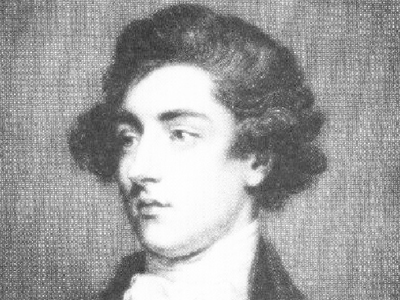
William Beckford by Sir Joshua Reynolds, engraved by T.A. Dean
The trade helped strengthen Britain’s domestic economy, with 150,000 guns each year being exported to Africa from Birmingham alone. As well as making a fortune in the trading of Africans, Birmingham also dominated copper manufacture, as this metal was highly valued by Africans and was used for trade. The custom duties on slave grown imports were an important source of government income. The Church also had plantations, for example the Society for the Propagation of the Gospel owned the Codrington estate in Barbados.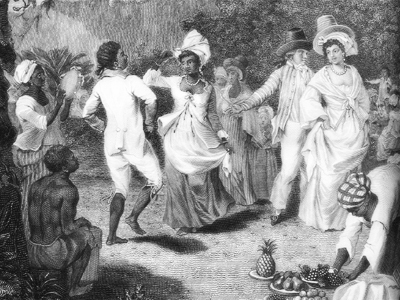
'A Negro Festival Drawn from Nature in the Island of St. Vincent', depicting slavery as a life of leisure, taken from the pro-slavery book
'The History of the British Colonies in the West Indies' by Bryan Edwards, 1797.
© Anti-Slavery International
"[This is] a trade to the most advantage to this kingdom of any we drive, and as it were all profit, the first cost being little more than small matters of our own manufactures, for which we have in return, gold, elephant’s teeth, wax and negroes, the last whereof is much better than the first, being indeed the best traffic the kingdom hath, as it doth occasionally give so vast an employment to our people both by sea and land."
John Cary, Bristol merchant
By the 18th century, slavery was seen as essential to Britain’s economy and power, and therefore accepted as the norm. The profits had given merchants and planters involved enough wealth and power to found banks and other financial institutions, and acquire immense political power. Between 1787 and 1807 all the Mayors of Liverpool were involved in the slave trade and 50 or 60 MPs represented slave plantations. They were able to build stately homes, marry into the aristocracy, and invest in industrial enterprises. William Beckford, twice Lord Mayor of London and owner of a 22,000 acre estate in Jamaica, left his son one million pounds and £100,000 a year in his will.
William Beckford by Sir Joshua Reynolds, engraved by T.A. Dean
The trade helped strengthen Britain’s domestic economy, with 150,000 guns each year being exported to Africa from Birmingham alone. As well as making a fortune in the trading of Africans, Birmingham also dominated copper manufacture, as this metal was highly valued by Africans and was used for trade. The custom duties on slave grown imports were an important source of government income. The Church also had plantations, for example the Society for the Propagation of the Gospel owned the Codrington estate in Barbados.
'A Negro Festival Drawn from Nature in the Island of St. Vincent', depicting slavery as a life of leisure, taken from the pro-slavery book
'The History of the British Colonies in the West Indies' by Bryan Edwards, 1797.
© Anti-Slavery International
21.06.2015
SCHWEIZER KOLONIALGESCHÄFTE IN ALGERIEN – ALGERISCHE MIGRATION IN DIE SCHWEIZ
Michael Schmitz, Dalila Ghodbane und Karim Khider | 11. Juni 2015 | 7/2015 | Keine Kommentare
Über hundert Jahre lang betrieb eine Genfer Gesellschaft in Sétif/Algerien ein profitables Kolonialgeschäft. Es beruhte auf Usurpation von Land. Wenn heute jedoch Algerier_innen in die Schweiz kommen, nicht um Land zu beschlagnahmen, sondern um Arbeit zu suchen, gilt das illegal.
von Michael Schmitz
Kommentar Legalität ist eine Frage der Macht, von Dalila Ghodbane und Karim Khider

Aktie der Compagnie genevoise des colonies suisse de Sétif (aus: campus Nr. 91)
Mit 37 000 Mann landet am 14. Juni 1830 die französische Armee an der algerischen Küste,um das Land zu erobern und zu kolonisieren. Schon bald fallen wichtige Städte an die Invasoren, und der Aufbau einer Kolonialverwaltung, die Besiedlung und die Ausbeutung von Mensch und Natur beginnt. Es wird noch fast hundert Jahre dauern, bis der Widerstand der Einheimischen gebrochen ist.
Während die französische Armee Krieg führt und Aufstände niederschlägt, sehen sich unter anderen auch Schweizer Geschäftsleute nach Profitmöglichkeiten um. 1853 gründen Genfer Geschäftsleute unter der Führung von François-Auguste Sautter die Compagnie genevoise des Colonies suisses de Sétif und erhalten per Dekret des französischen Kaisers Napoleon III 20 000 Hektaren Land in der Nähe von Sétif. Dies entspricht etwa achtzig Prozent der Fläche des Kantons Genf. Damit wird die Compagnie zu einem der grössten privaten Grundbesitzer in Algerien. Der Historiker Claude Lützelschwab hat die Geschichte dieser schweizerischen Kolonialunternehmung untersucht. Auf seine Forschung stützt sich dieser Artikel.

Die grossen Konzessionen im Departement Constantine, Karte: Dalila Ghodbane
Ein erstes Projekt der Compagnie, das auch eine Besiedlung durch Schweizer Emigrant_innen vorsah,1 scheitert bald an den Schwierigkeiten bei der Rekrutierung und an finanziellen Problemen. Bei der Rekrutierung ist übrigens auch der spätere Gründer des Roten Kreuzes, Henri Dunant, als Agent beteiligt. Einem zweiten Projekt ist einige Jahre später mehr Erfolg beschieden. Ein Teil der nun 15 000 Hektaren wird vermietet, ein anderer an Einheimische und Europäer_innen verpachtet. Das Kolonialisierungsprojekt der Compagnie genevoise greift massiv in die lokale Realität ein. Gemäss Lützelschwab löst sich das traditionelle System auf, die indigene Wirtschaft und Gesellschaft werden durcheinandergebracht und der ansässige Stamm wird enteignet. Ein Teil von dessen Mitgliedern darf als Pächter_innen auf dem angestammten Land bleiben. Der andere Teil wird umgesiedelt. Die Compagnie beschäftigt zur Aufsicht indigene Führer und will sie dadurch im Glauben wiegen ihre Autorität behalten zu können. Gleichzeitig werden sie aber auf den Status von Angestellten reduziert. Es kommt vor, dass Stammesführer wegen der Unterdrückung durch die Compagnie Sétif verlassen wollen, die Mitglieder es aber vorziehen zu bleiben. So bringt die Politik der Schweizer Firma Stammesführer und -mitglieder gegeneinander auf. Allgemein leidet die Solidarität innerhalb des Stammes.
Über hundert Jahre lang betrieb eine Genfer Gesellschaft in Sétif/Algerien ein profitables Kolonialgeschäft. Es beruhte auf Usurpation von Land. Wenn heute jedoch Algerier_innen in die Schweiz kommen, nicht um Land zu beschlagnahmen, sondern um Arbeit zu suchen, gilt das illegal.
von Michael Schmitz
Kommentar Legalität ist eine Frage der Macht, von Dalila Ghodbane und Karim Khider

Aktie der Compagnie genevoise des colonies suisse de Sétif (aus: campus Nr. 91)
Mit 37 000 Mann landet am 14. Juni 1830 die französische Armee an der algerischen Küste,um das Land zu erobern und zu kolonisieren. Schon bald fallen wichtige Städte an die Invasoren, und der Aufbau einer Kolonialverwaltung, die Besiedlung und die Ausbeutung von Mensch und Natur beginnt. Es wird noch fast hundert Jahre dauern, bis der Widerstand der Einheimischen gebrochen ist.
Während die französische Armee Krieg führt und Aufstände niederschlägt, sehen sich unter anderen auch Schweizer Geschäftsleute nach Profitmöglichkeiten um. 1853 gründen Genfer Geschäftsleute unter der Führung von François-Auguste Sautter die Compagnie genevoise des Colonies suisses de Sétif und erhalten per Dekret des französischen Kaisers Napoleon III 20 000 Hektaren Land in der Nähe von Sétif. Dies entspricht etwa achtzig Prozent der Fläche des Kantons Genf. Damit wird die Compagnie zu einem der grössten privaten Grundbesitzer in Algerien. Der Historiker Claude Lützelschwab hat die Geschichte dieser schweizerischen Kolonialunternehmung untersucht. Auf seine Forschung stützt sich dieser Artikel.
Die grossen Konzessionen im Departement Constantine, Karte: Dalila Ghodbane
Ein erstes Projekt der Compagnie, das auch eine Besiedlung durch Schweizer Emigrant_innen vorsah,1 scheitert bald an den Schwierigkeiten bei der Rekrutierung und an finanziellen Problemen. Bei der Rekrutierung ist übrigens auch der spätere Gründer des Roten Kreuzes, Henri Dunant, als Agent beteiligt. Einem zweiten Projekt ist einige Jahre später mehr Erfolg beschieden. Ein Teil der nun 15 000 Hektaren wird vermietet, ein anderer an Einheimische und Europäer_innen verpachtet. Das Kolonialisierungsprojekt der Compagnie genevoise greift massiv in die lokale Realität ein. Gemäss Lützelschwab löst sich das traditionelle System auf, die indigene Wirtschaft und Gesellschaft werden durcheinandergebracht und der ansässige Stamm wird enteignet. Ein Teil von dessen Mitgliedern darf als Pächter_innen auf dem angestammten Land bleiben. Der andere Teil wird umgesiedelt. Die Compagnie beschäftigt zur Aufsicht indigene Führer und will sie dadurch im Glauben wiegen ihre Autorität behalten zu können. Gleichzeitig werden sie aber auf den Status von Angestellten reduziert. Es kommt vor, dass Stammesführer wegen der Unterdrückung durch die Compagnie Sétif verlassen wollen, die Mitglieder es aber vorziehen zu bleiben. So bringt die Politik der Schweizer Firma Stammesführer und -mitglieder gegeneinander auf. Allgemein leidet die Solidarität innerhalb des Stammes.


18.06.2015
Why Women of Color in the 1800s Were Banned From Wearing Their Hair in Public
by Cassandre – July 7, 2014

“Did you know that in late 18th century Louisiana, black and multiracial women were ordered to cover their hair in public?” My sister asked me.
“WOW. Really?” I replied.
I’d probably heard of this in one of my black studies classes in undergrad, but who remembers everything they’ve been taught? Besides, this information felt instantly relevant and I was absolutely intrigued.
It wasn’t unusual for me to feel myself gaining brain cells while in conversation with my sisters, but by the time I caught my racing thoughts so I could ask her some questions, it was time to take care of my baby girl. I knew, however that this was a topic worth visiting again.
With a little digging I found that there was in fact a “law” of sorts that demanded women of color in Louisiana to cover their hair with a fabric cloth starting in 1789 as a part of what was called the Bando du buen gobierno (Edict for Good Government). What these rules were meant to do was try to curtail the growing influence of the free black population and keep the social order of the time. The edict included sections specifically about the changing of certain “unacceptable” behaviors of the free black women in the colony including putting an end to what he and others believed to be the overly ostentatious hairstyles of these ladies which drew the attention of white men, and the jealousy of white women. These rules are called the “Tignon Laws” A tignon (pronounced “tiyon”) is a headdress.
Portrait of a Creole. Note the tignon here that identifies her as such.
Her gaze at the view is inviting and demands respect, although there is
perhaps sexuality in her eyes and the light smile. Really, a beautiful
piece although it remains possible that her complexion was lightened for
this painting. That could always be a factor in the appearances of
wealthy Creoles who would not want to see their darker-hued selves.
“Did you know that in late 18th century Louisiana, black and multiracial women were ordered to cover their hair in public?” My sister asked me.
“WOW. Really?” I replied.
I’d probably heard of this in one of my black studies classes in undergrad, but who remembers everything they’ve been taught? Besides, this information felt instantly relevant and I was absolutely intrigued.
It wasn’t unusual for me to feel myself gaining brain cells while in conversation with my sisters, but by the time I caught my racing thoughts so I could ask her some questions, it was time to take care of my baby girl. I knew, however that this was a topic worth visiting again.
With a little digging I found that there was in fact a “law” of sorts that demanded women of color in Louisiana to cover their hair with a fabric cloth starting in 1789 as a part of what was called the Bando du buen gobierno (Edict for Good Government). What these rules were meant to do was try to curtail the growing influence of the free black population and keep the social order of the time. The edict included sections specifically about the changing of certain “unacceptable” behaviors of the free black women in the colony including putting an end to what he and others believed to be the overly ostentatious hairstyles of these ladies which drew the attention of white men, and the jealousy of white women. These rules are called the “Tignon Laws” A tignon (pronounced “tiyon”) is a headdress.


Abonnieren
Posts (Atom)